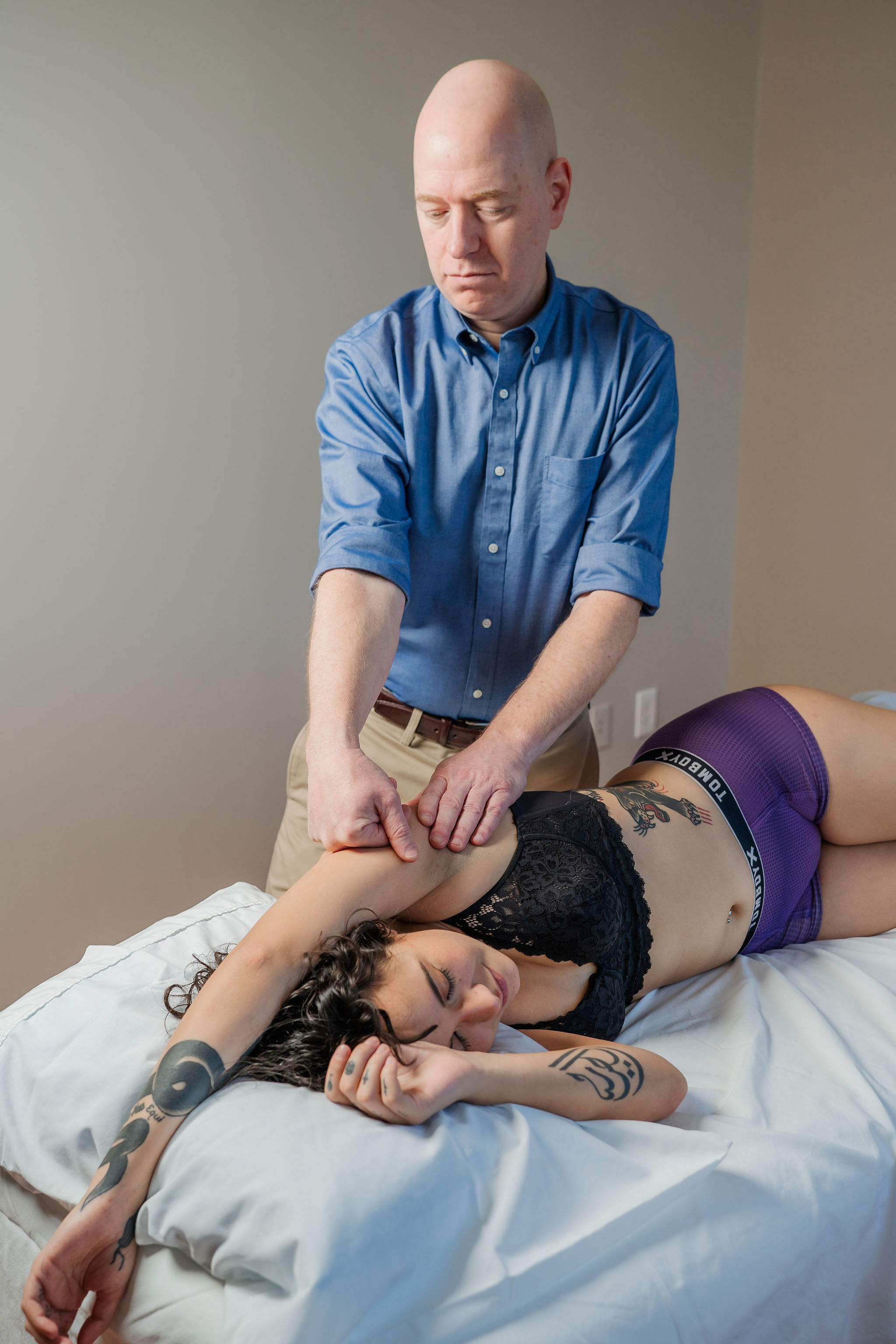
Injury Recovery & Post-Surgical Bodywork

Recover More Completely. Move More Freely.

Surgery and serious injury do more than the obvious damage — they create scar tissue, fascial restrictions, and compensation patterns that standard physical therapy often can't fully resolve. Specialized structural bodywork addresses what PT leaves behind.

When Standard Recovery Isn't Enough

You did the physical therapy. You followed your surgeon's instructions. But you're still not back to where you were — and you've been told to "give it more time" or "this is just your new normal." It doesn't have to be.

After surgery or significant injury, the body forms scar tissue rapidly — this is a normal part of healing. But scar tissue doesn't have the same properties as healthy connective tissue. It's denser, less organized, and can adhere to surrounding structures, restricting movement and creating pain patterns that persist long after the injury itself has healed.

Simultaneously, your body develops compensation patterns — ways of moving that protect the injured area during healing. These patterns often persist beyond the healing phase, creating new imbalances and pain in areas that weren't part of the original injury.

Standard physical therapy is excellent at rebuilding strength and basic function. But addressing the fascial system — the scar tissue adhesions, the compensation patterns embedded in the connective tissue — is where structural bodywork picks up where PT leaves off.

Pre-Surgical & Post-Surgical Support

Pre-Surgical Preparation

Bodywork before surgery can significantly improve outcomes. By addressing existing restrictions, improving tissue quality, and optimizing structural alignment before surgery, we give the body a better starting point for healing.

  • Reduce pre-surgical inflammation and muscle tension
  • Improve tissue health at the surgical site
  • Address compensation patterns that surgery may worsen
  • Support nervous system regulation and pre-surgical stress

Post-Surgical Recovery

After the surgical team clears you for massage, specialized bodywork can dramatically improve the quality and speed of your recovery — addressing what surgery leaves behind.

  • Address scar tissue adhesions and fascial restrictions
  • Release compensation patterns formed during healing
  • Restore full range of motion beyond PT's reach
  • Reduce chronic pain that persists after tissue healing

Injuries & Surgeries Commonly Treated

Joint Replacement Recovery

Hip and knee replacements leave significant fascial disruption. Bodywork addresses scar tissue, restores tissue mobility, and helps the surrounding structures adapt to the new joint — improving range of motion and reducing long-term compensatory pain.

Rotator Cuff & Shoulder Surgery

Shoulder surgery creates complex fascial adhesions that physical therapy often can't fully address. Structural work restores mobility through the whole shoulder girdle — not just the surgical site.

Sports Injuries

Sprains, strains, tears, and overuse injuries all create fascial restriction and compensation patterns. Structural bodywork addresses the whole mechanical picture — not just the site of pain.

Back & Spinal Surgery Recovery

Lumbar fusions, discectomies, and other spinal procedures create significant tissue disruption. Addressing the fascial environment around the spine can dramatically improve post-surgical outcomes.

Abdominal & Pelvic Surgery

Abdominal surgeries — appendectomies, hernia repairs, hysterectomies, C-sections — create adhesions that can affect core function, pelvic alignment, and even low back pain years later.

Whiplash & Motor Vehicle Accidents

MVA injuries create complex patterns of fascial restriction and nervous system dysregulation that persist long after acute care. Structural integration and craniosacral work address both layers effectively.

A Phased Recovery Approach

The type and timing of bodywork varies depending on your surgery and healing stage. Mark works within your surgical team's guidelines throughout.

Phase 1

Acute Healing (0–6 weeks post-surgery)

Usually too early for direct tissue work. Craniosacral therapy and gentle structural work on unaffected areas may be appropriate — discuss with your surgical team.

Phase 2

Early Recovery (6–12 weeks)

When cleared by your surgeon, gentle scar tissue work and fascial release begins. Focus on tissue mobility around the surgical site. When appropriate, start addressing the surgical site.

Phase 3

Active Recovery (3–6 months)

More comprehensive structural work addressing compensation patterns and restoring movement through the whole body. This is where the most significant gains happen.

Phase 4

Functional Optimization

Final phase — addressing long-standing patterns, returning to full activity, and optimizing structural function for the long term.

Not recovering as well as you expected?

Call or schedule a phone consultation to discuss your specific surgery or injury. Mark will give you an honest assessment of what bodywork can and can't do — and what a sensible plan looks like for your situation.

Book a Consultation Call 206-234-9929